
100 Calorie Mug Cake (Chocolate, Ready in 5 Minutes)
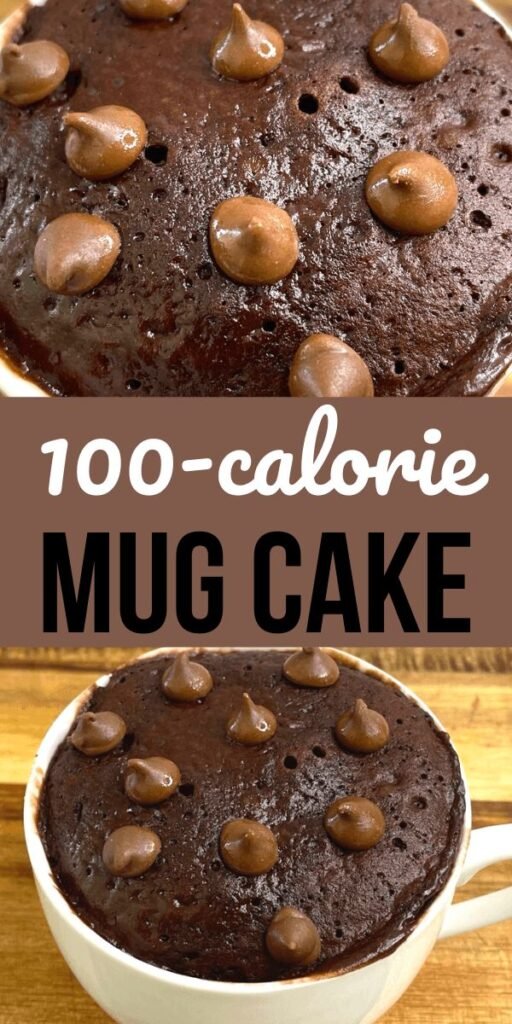
This 100 calorie mug cake is a small, warm chocolate cake that fits easily into a calorie budget. It uses just a tablespoon of flour, a teaspoon of cocoa, a zero-calorie sweetener and half a teaspoon of oil, and rises with a pinch of baking soda and a splash of vinegar. One minute in the microwave and it is ready. It is a little smaller than a standard mug cake — that is how it stays near 100 calories — but it is moist, chocolatey and satisfying. For a heartier healthy option, try our oat mug cake.
Why you'll love this
- About 100 calories. Portion-controlled by design.
- Ready in 5 minutes. Including mixing.
- Real chocolate flavour. Cocoa and an optional few chocolate chips.
- Microwave or oven. Two methods included.
- Pantry ingredients. Flour, cocoa, oil, vinegar and baking soda.
- No eggs. Baking soda and vinegar make it rise.
Key ingredients & how to use them
- All-purpose flour — one tablespoon. Measure it accurately; a heaped spoon makes the cake dry.
- Zero-calorie granulated sweetener — one tablespoon keeps the calories down. Sugar works but adds about 45 calories.
- Cocoa powder — one teaspoon of unsweetened cocoa for chocolate flavour with very few calories.
- Baking soda and white vinegar — an eighth of a teaspoon of soda and a quarter teaspoon of vinegar react to make the cake rise without an egg.
- Oil — half a teaspoon keeps it moist without many calories.
- Water or milk — one tablespoon. Water keeps the calories lowest; milk makes it richer.
- Chocolate chips — optional, one teaspoon, for melty pockets (adds about 20 calories).
How to make it (step by step)
-
1
Pick a mug
Use a microwave-safe mug that holds at least 8 oz (240 ml). For the oven method, use a small oven-safe ramekin instead.
-
2
Mix the dry ingredients
Add the flour, sweetener, cocoa powder, salt and baking soda and stir with a fork until there are no lumps of cocoa.
-
3
Add the wet ingredients
Add the vinegar, oil, vanilla and water or milk and stir until smooth. The vinegar reacts with the baking soda to give the tiny cake its rise, so mix and cook straight away. Fold in the chocolate chips if using.
-
4
Microwave
Cook on high for 60 seconds. If the centre is still wet, add 10-second bursts until the top is just set. It should look slightly moist rather than dry.
-
5
Or bake
For an oven version, bake in a ramekin at 175°C (350°F) for 10 to 12 minutes, until a toothpick comes out with a few moist crumbs.
-
6
Cool and enjoy
Let it cool for 1 to 2 minutes before eating — mug cakes are extremely hot inside.
Troubleshooting
- It is dry. It was overcooked, or the flour was heaped. Level the flour and stop cooking when the top is just set.
- It is rubbery. Too long in the microwave. Cook in 10-second bursts.
- It tastes bitter. Too much baking soda or unmixed lumps. Measure the soda carefully and stir well.
- It did not rise. The batter sat too long before cooking. Microwave straight after mixing.
- It overflowed. Use a bigger mug.
- Sweetener aftertaste. Try an erythritol-monk fruit blend, or a teaspoon of real sugar.
How it stays near 100 calories
Most mug cakes land between 350 and 500 calories because they use four tablespoons of flour, several of sugar and two of oil or butter. This version scales everything down and swaps the heaviest ingredients. A tablespoon of flour is about 28 calories, a teaspoon of cocoa about 4, half a teaspoon of oil about 20, and a zero-calorie sweetener adds none. With water, that comes to roughly 55 to 60 calories; a teaspoon of chocolate chips and using milk bring it close to 100.
The figure is an estimate and depends on your exact ingredients and how generously you measure, but it gives you a warm chocolate dessert for a fraction of the calories of a standard slice of cake.
Pro tips
- Level every measurement — with such small quantities, accuracy matters.
- Mix the cocoa well to avoid bitter lumps.
- Cook straight after mixing so the rise is not lost.
- Start at 50 seconds in a high-power microwave.
- Add a pinch of instant coffee to deepen the chocolate.
- Top with a few berries rather than cream to stay near 100 calories.
Variations
- Mocha. Add a pinch of instant coffee.
- Peanut butter. Swirl in powdered peanut butter.
- Mint chocolate. Add a drop of peppermint extract.
- Raspberry. Press a few raspberries into the batter.
- Vanilla. Skip the cocoa and add an extra tablespoon of flour and a little more vanilla.
- Richer. Use milk instead of water.
Storage
This mug cake is best eaten warm, straight away. You can measure the dry ingredients into small jars or bags ahead of time, so you only need to add the wet ingredients and microwave when a craving strikes.
Serving ideas
Enjoy it on its own, with a few fresh berries, or with a spoonful of light whipped topping. For a protein-packed alternative, try our protein powder mug cake or the paleo chocolate mug cake.
More recipes to try
Counting calories doesn't mean skipping dessert, and these three live in the same single-serving corner of my kitchen. The oat mug cake is the one I make when I want something a little heartier, and the Kodiak mug cake is right there with it. For the nights when calories aren't the point, there's the Biscoff mug cake.
Recipe
100 calorie mug cake
A small, low-calorie chocolate mug cake of about 100 calories, made with a tablespoon of flour, cocoa, zero-calorie sweetener, oil, baking soda and vinegar, cooked in the microwave or oven.
Ingredients
- 1 tablespoon all-purpose flour
- 1 tablespoon granulated sweetener (zero-calorie preferred)
- 1 teaspoon cocoa powder
- Pinch of salt
- 1/8 teaspoon baking soda
- 1/4 teaspoon white vinegar
- 1/2 teaspoon oil
- Dash of vanilla extract
- 1 tablespoon water (or milk)
- 1 teaspoon chocolate chips (optional)
Instructions
- Use a microwave-safe mug (8 oz / 240 ml).
- Combine the flour, sweetener, cocoa powder, salt and baking soda.
- Stir in the vinegar, oil, vanilla and water or milk until smooth, then fold in the chocolate chips if using.
- Microwave on high for 60 seconds, adding 10-second intervals if needed.
- Alternatively, bake in a ramekin at 175°C (350°F) for 10 to 12 minutes.
- Let cool for 1 to 2 minutes, then enjoy.
Tips & notes
- The calorie count is an estimate and depends on your ingredients.
- Level all measurements carefully.
- Cook straight after mixing.
Nutrition · per serving (estimate)
Made this recipe?
Tap the stars to leave your rating — it helps other home cooks.
Frequently asked questions
Is this mug cake really 100 calories?
About 100, depending on your ingredients. With water and no chocolate chips it is closer to 60 calories; using milk and chocolate chips brings it to around 100.
Why use vinegar in a mug cake?
The vinegar reacts with the baking soda to create bubbles that make the cake rise, so no egg is needed.
Can I use sugar instead of sweetener?
Yes, but a tablespoon of sugar adds about 45 calories, taking the cake to roughly 140 to 150 calories.
Why is my mug cake dry?
It was overcooked or the flour was heaped. Level the flour and stop cooking as soon as the top looks set.
Can I make it in the oven?
Yes. Bake it in a small ramekin at 175°C (350°F) for 10 to 12 minutes.
Can I make it gluten-free?
Use a tablespoon of a gluten-free flour blend or oat flour made from certified gluten-free oats.
Can I make it without baking soda?
Use 1/4 teaspoon of baking powder instead and leave out the vinegar.
What can I top it with and stay low calorie?
Fresh berries, a dusting of cocoa or a spoonful of light whipped topping keep it close to 100 calories.
Leave a review