
Easy Basque Cheesecake Recipe
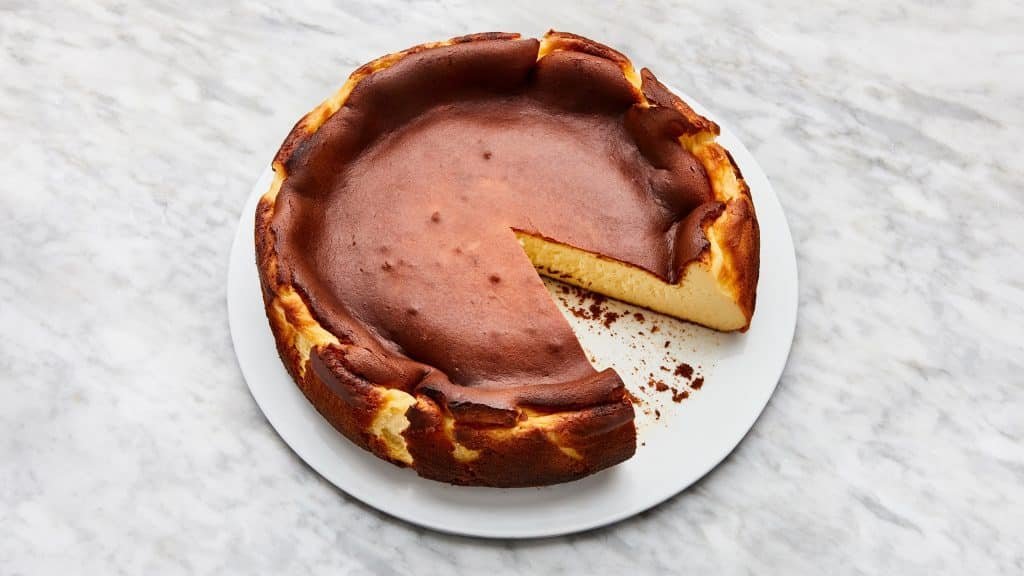
Born at the La Viña bar in San Sebastián in the late 1980s, the Basque burnt cheesecake throws out the cheesecake rulebook — no crust, no water bath, no fuss. You bake it hot and fast so the top scorches into a bittersweet, salted-caramel skin while the middle stays barely set and spoonably creamy. It looks rustic and a little reckless, and that is exactly the point.
Why you'll love this
- That deep, bittersweet caramelised top — the "burnt" is the best bit
- Crustless and water-bath-free: about as easy as a cheesecake gets
- A molten, custard-soft centre rather than a dense slab
- A genuine make-ahead — it sets and tastes better overnight
Key ingredients & how to use them
- Cream cheese (full-fat) — the body and gentle tang of the cake. It must be at room temperature; cold cream cheese is the number-one cause of lumps you can't beat out later.
- Sugar — sweetens, but it is also the fuel for the caramelised top, so don't cut it heavily or you'll lose that bittersweet skin.
- Eggs (room temperature) — they set the custard. Beat them in last and only until just combined; over-beating whips in air that puffs and cracks the top.
- Heavy cream — loosens the batter into that signature pourable, custard-like centre. Don't swap it for milk — the fat is what makes it silky.
- Flour — just a whisper of structure so it slices instead of running. Swap it 1:1 for cornstarch to go gluten-free (use a touch less for an even looser middle).
- Vanilla — rounds out the tang and deepens the caramel notes of the top.
How to make it (step by step)
-
1
Heat the oven hot
Heat your oven to 400°F (200°C) with a rack in the middle and let it fully preheat — this cake lives or dies on high, even heat. Line a 9-inch springform with two sheets of crumpled parchment, pressing them in with tall overhang; the scrunched folds give the rustic edges and the overhang supports the high sides.
-
2
Beat the base smooth
Beat the room-temperature cream cheese and sugar on medium for about 2 minutes until completely smooth and glossy, stopping to scrape the bowl twice. Don't rush this step — any lumps you leave now will still be there after baking.
-
3
Add the eggs gently
Add the eggs one at a time, beating just until each one disappears, then mix in the vanilla. Stop the moment they are combined: the less air you beat in, the less the top cracks and the creamier the centre sets.
-
4
Loosen with cream and flour
Pour in the heavy cream and mix to a smooth, pourable batter, then sift the flour over the top and fold briefly just until even. For the silkiest centre, pour the batter through a sieve into the pan to catch any stray lumps.
-
5
Bake until deeply bronzed
Bake for 50–60 minutes. You are waiting for a top that is deeply browned, almost mahogany, while the centre still wobbles like soft jelly when you nudge the pan. If your oven runs hot, drop it 10°C from the 45-minute mark — and resist baking it "until set", because it should look underdone in the middle.
-
6
Cool, then chill
Let it cool in the pan at room temperature for about 2 hours; it will sink into a crater and the sides will settle, which is exactly what should happen. Then refrigerate, ideally uncovered, for at least 2 hours (overnight is better) so it firms into a sliceable, custardy set.
-
7
Slice and serve
Run a knife under hot water, wipe it dry and cut, re-warming the blade between slices. Serve it chilled for the cleanest slices, or let it sit out for 30–60 minutes for the creamiest, most flan-like texture.
Pro tips
- Room temperature is everything — cream cheese, eggs and cream — for a smooth, lump-free batter.
- Pull it at a soft wobble, never firm. A set centre means it's overbaked and will be dry; it keeps cooking and firms in the fridge (around 150°F/65°C in the centre is the sweet spot).
- Mix low and slow once the eggs go in; whipped-in air is what cracks the surface.
- Chill it uncovered so condensation doesn't dull the caramelised top.
Variations
- Lemon: add the zest of a lemon with the sugar for a brighter, tangier cake.
- Coffee: dissolve a little espresso powder into the cream before mixing.
- Chocolate: fold in about 115g melted dark chocolate — the centre will set a touch firmer.
- Gluten-free: swap the flour for cornstarch 1:1.
Storage & freezing
Keep covered in the fridge for 4–5 days — it's a brilliant make-ahead, as the set and flavour improve overnight. To freeze, cool fully, wrap tightly with the wrap touching the surface and freeze for up to 1 month, then thaw in the fridge for 24 hours. Serve chilled for clean slices, or 30–60 minutes out of the fridge for the creamiest, most flan-like texture.
More recipes to try
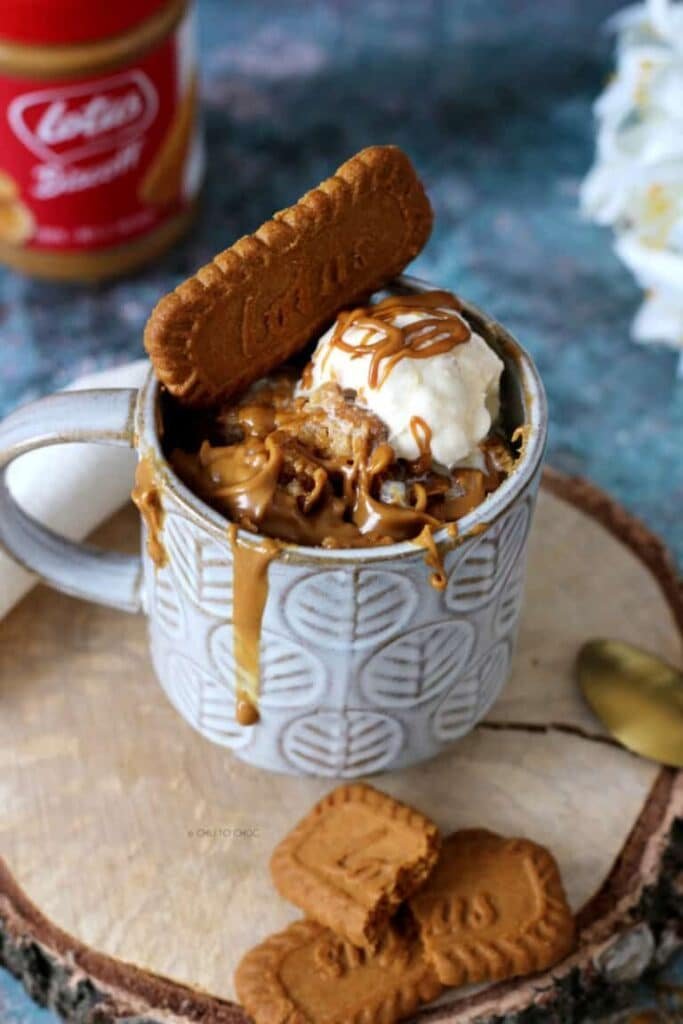
That scorched, custardy top is a hard act to follow, but a few others come close. For something more traditional, the best cheesecake is the classic I always come back to. The best no-bake cheesecake saves you the oven altogether, and the Lotus Biscoff cheesecake brings a caramel-spice note that isn't far from those toasted Basque edges.
Recipe
Easy Basque Cheesecake
A crustless burnt Basque cheesecake with a deeply caramelised top and irresistibly creamy, custard-like interior.
Ingredients
- 2 lbs (900g) cream cheese, at room temperature
- 1¼ cups (250g) granulated sugar
- 4 large eggs, at room temperature
- 1½ cups (360ml) heavy cream
- 2 teaspoons vanilla extract
- ¼ cup (30g) all-purpose flour
- Butter or non-stick spray for greasing
Instructions
- Preheat oven to 400°F (200°C). Grease a 9-inch springform pan, then line with crumpled parchment paper so it extends above the rim.
- Beat cream cheese and sugar together until completely smooth and creamy, about 3 minutes.
- Add eggs one at a time, beating well after each addition.
- Add heavy cream and vanilla extract. Mix until smooth.
- Sift in flour and fold gently until just incorporated. Pour batter into the prepared pan.
- Bake for 50–60 minutes until the top is deeply golden-brown and nearly burnt-looking. The centre will still wobble.
- Cool completely at room temperature (it will sink as it cools — that is normal). Refrigerate for at least 2 hours before serving.
Nutrition · per serving (estimate)
Made this recipe?
Tap the stars to leave your rating — it helps other home cooks.
Frequently asked questions
Is Basque cheesecake supposed to be jiggly in the middle?
Yes. The centre is deliberately under-set so it stays creamy and custardy; it should wobble like soft jelly out of the oven and firm up as it chills. A fully firm centre means it has been overbaked and will be dry.
Why is it called "burnt" — is it actually burnt?
The top is baked dark on purpose, caramelising the sugar and the milk solids in the cheese into a bittersweet, almost salted-caramel skin. It is deeply browned, not carbonised — the scorched look is the whole point.
Why is there no water bath?
A water bath keeps the oven humid to stop browning, which is the opposite of what this cake wants. Baking it in a dry, hot oven is exactly what caramelises the top while the inside stays loose and creamy.
Why did my cheesecake sink in the middle?
Because the centre is intentionally under-baked, it has no firm structure to hold its soufflé-like rise. As it cools, steam escapes and the middle sinks into a crater while the set sides stay tall — that dip is completely normal.
Why did liquid seep out of mine?
Usually overbaking, which tightens the proteins and squeezes out moisture. If the "water" only appears after chilling, it is often condensation from refrigerating the cake while it was still warm — cool it first, then chill uncovered.
Does it have a crust?
No, it is crustless. The high heat forms a caramelised skin that acts like a crust, and the crumpled parchment shapes the rustic edges, but there is no biscuit or pastry base.
Should I serve it cold or at room temperature?
Both work. Chilled slices the cleanest; 30–60 minutes at room temperature is the creamiest and most flavourful. Choose by how custardy you like the centre.

Leave a review