
Baked Tiramisu Cheesecake Recipe
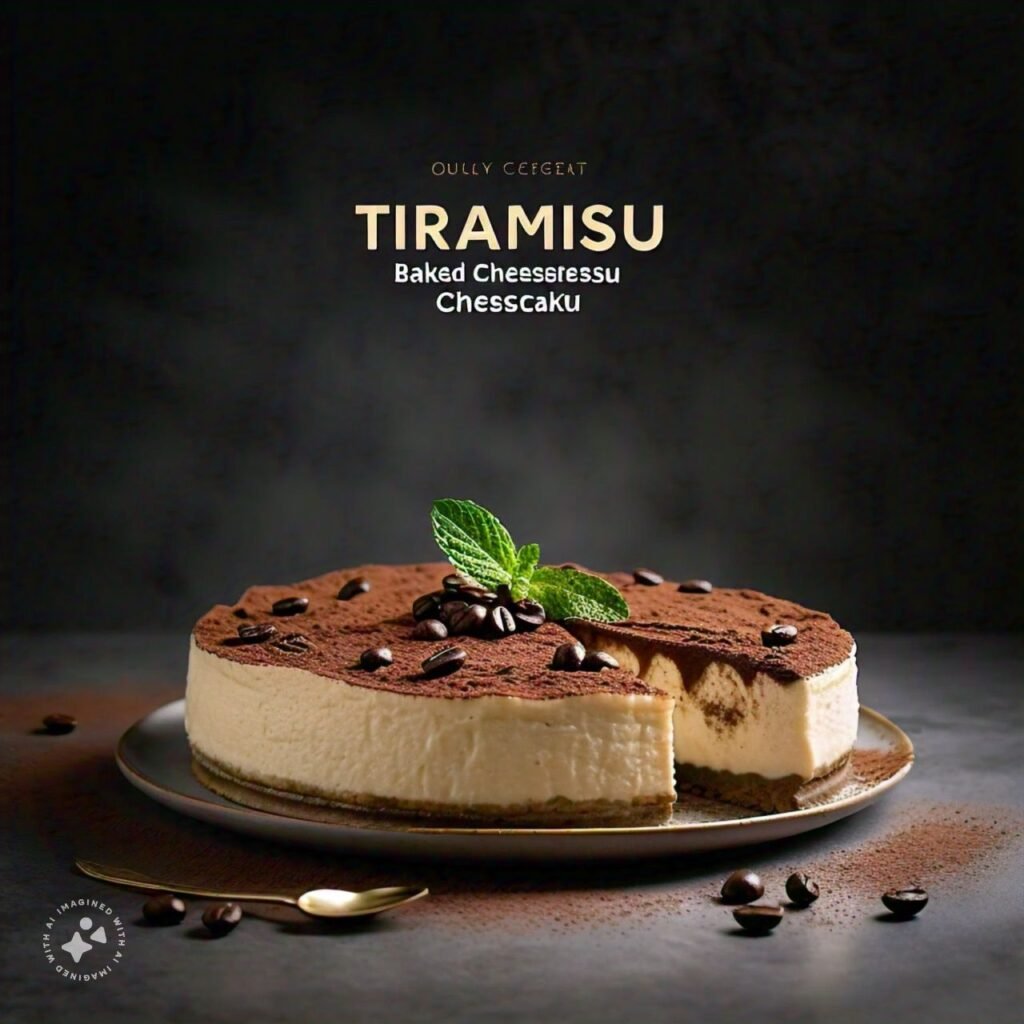
This is tiramisu reimagined as a tall, sliceable baked cheesecake: a graham crust, a coffee-spiked mascarpone and cream cheese filling, and a hidden middle layer of espresso-soaked ladyfingers running right through the centre. It bakes low and slow in a water bath for a crack-free top, chills overnight, and gets the classic finish of softly whipped cream and a snowfall of cocoa.
Why you'll love this
- All the flavours of real tiramisu - espresso, mascarpone, cocoa - in a dessert you can slice
- A hidden layer of coffee-soaked ladyfingers baked into the middle for that signature surprise
- Water-bath baked low and slow, so the top stays smooth and crack-free
- A genuine make-ahead: it needs an overnight chill and tastes even better the next day
Key ingredients & swaps
- Cream cheese (full-fat, softened) — the structural backbone that lets this cheesecake slice cleanly; it must be fully at room temperature, because cold cream cheese is the number-one cause of lumps you can never beat out later.
- Mascarpone (room temperature) — the Italian touch that makes the filling silky and rich rather than tangy; pairing it with cream cheese keeps the texture luxurious but still firm enough to bake and hold a slice.
- Brewed espresso (cooled) — this is the whole point - it flavours the batter and soaks the ladyfingers; brew it strong and let it cool completely, as warm coffee makes the ladyfingers turn to mush in seconds.
- Instant coffee granules — a concentrated hit that deepens the coffee flavour in the filling without thinning the batter; stir it into the cooled espresso so it fully dissolves and leaves no gritty specks.
- Ladyfingers (savoiardi) — the tiramisu signature, layered through the middle; dip them only briefly so they drink up flavour without going soggy, and don't overcrowd them or they pull moisture from the filling.
- Eggs (room temperature) — they set the custard; add them one at a time on low speed and stop the moment each disappears, since over-beating whips in the air bubbles that crack the top.
How to make it (step by step)
-
 1
1Bake the crust
Heat the oven to 325F (163C). Stir the graham crumbs and sugar with the melted butter until it looks like wet sand, press it firmly and evenly into the base of a 9-inch springform, and bake 10 minutes. Let it cool while you make the filling.
-
 2
2Beat the filling smooth
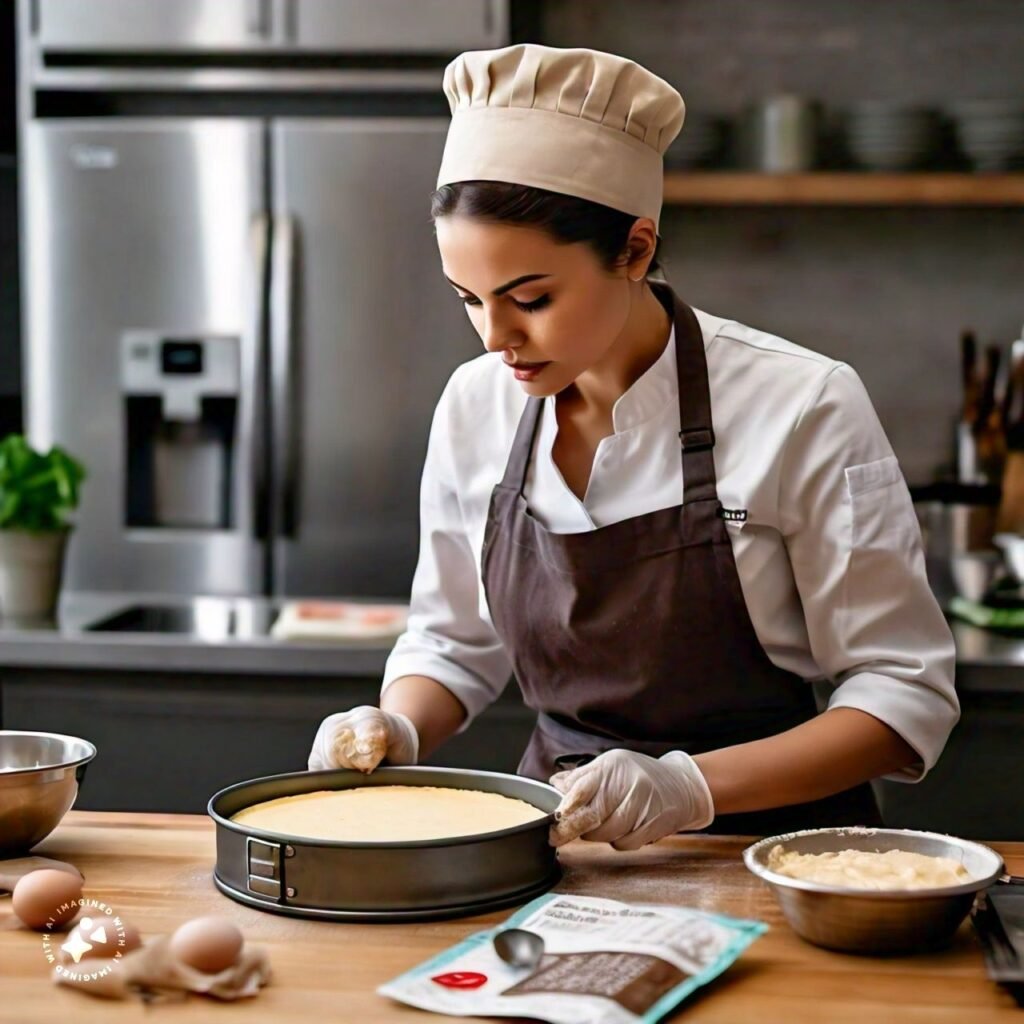
Beat the softened cream cheese and sugar on medium until completely smooth and creamy, scraping the bowl, then beat in the mascarpone until fully blended. Any lumps left now will still be there after baking, so take your time on this stage.
-
 3
3Add eggs and coffee gently
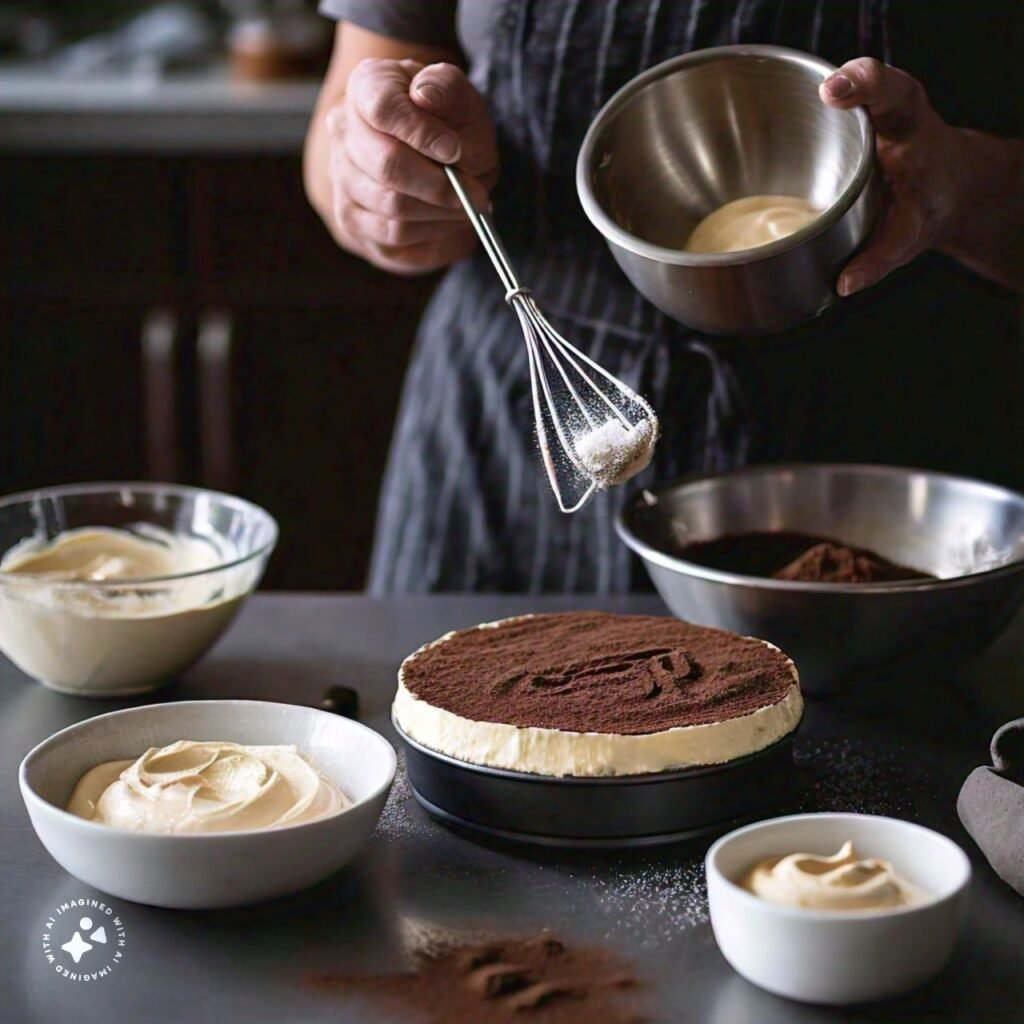
Add the eggs one at a time on low speed, mixing just until each disappears, then mix in the vanilla, cooled espresso and instant coffee until even. Keep the speed low from here - the less air you beat in, the smoother and crack-free the top will be.
-
 4
4Layer in the ladyfingers
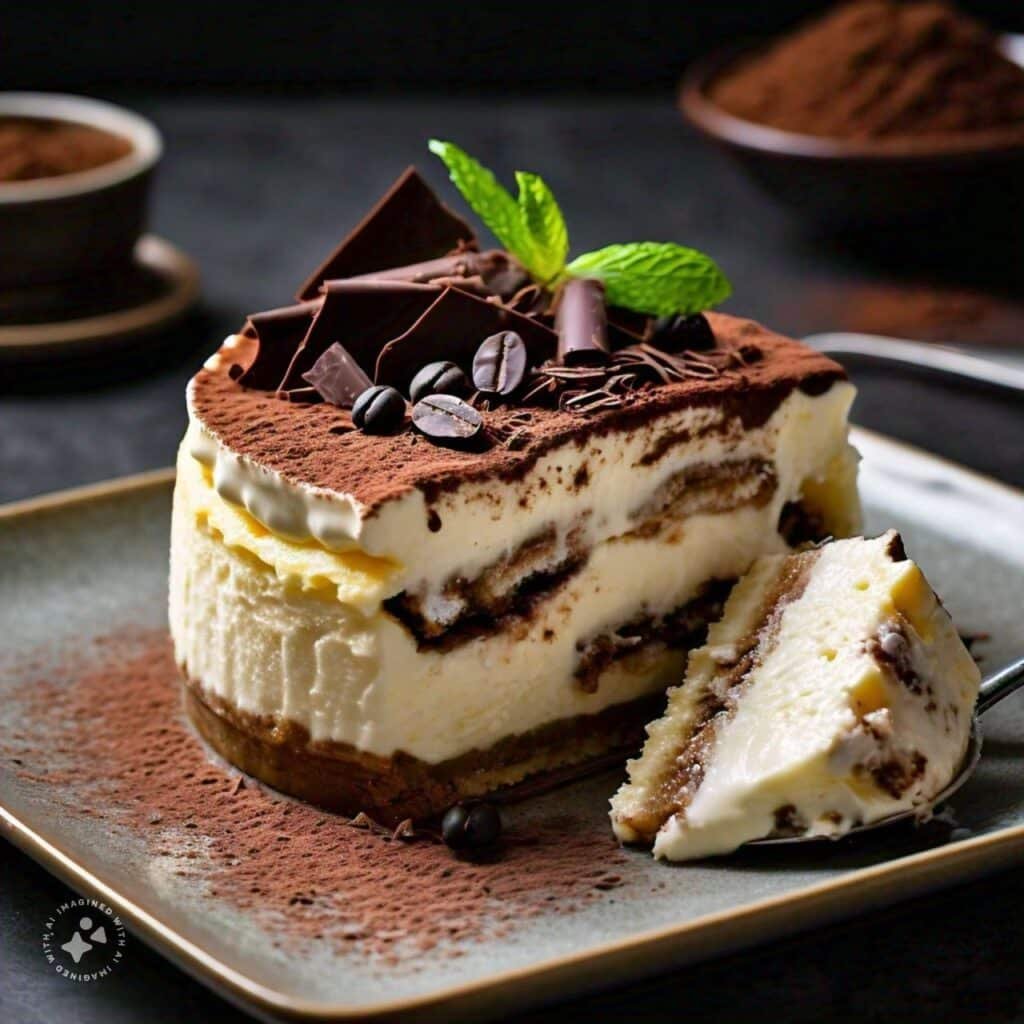
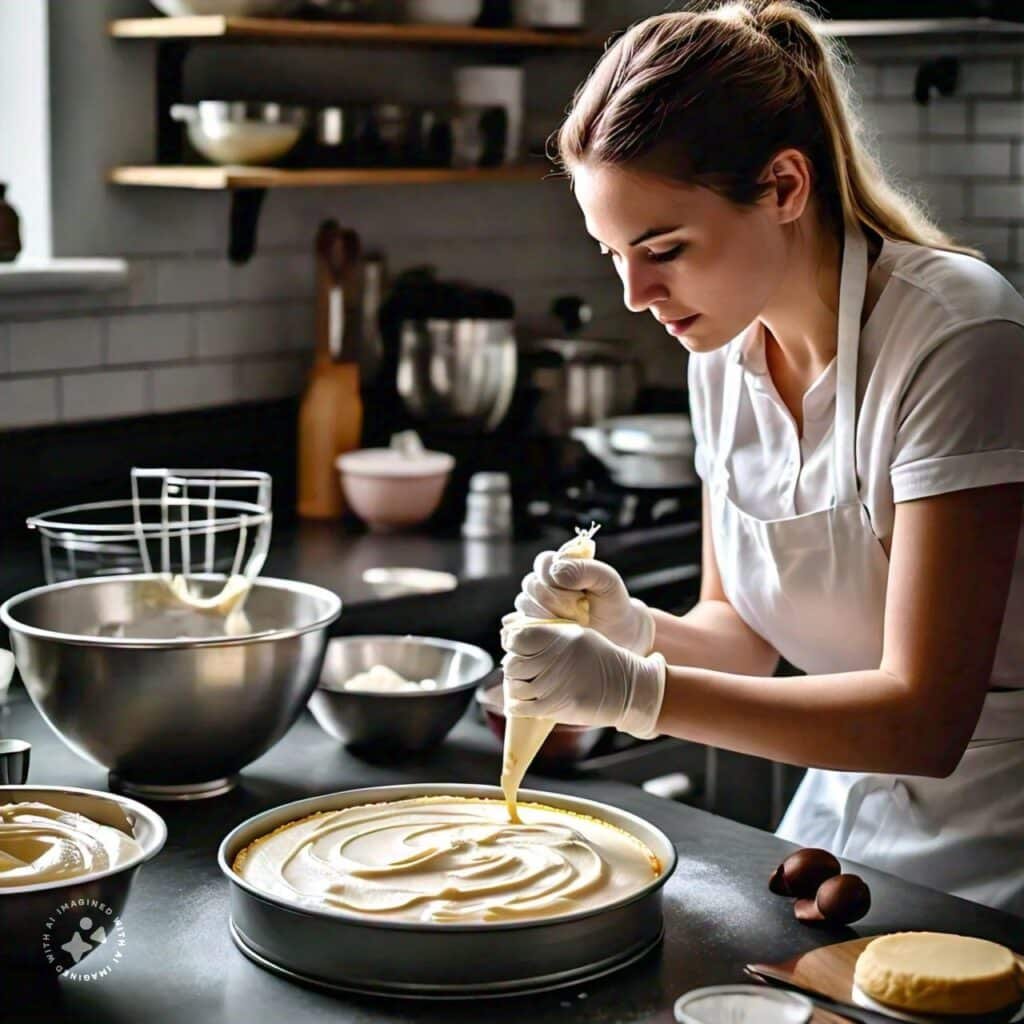
Pour half the filling over the cooled crust. Dip each ladyfinger quickly into the espresso (with the coffee liqueur, if using) - about a second per side, no longer - and lay them over the filling in a single layer, then pour the remaining filling on top and smooth it level.
-
 5
5Bake in a water bath
Set the springform in a large roasting pan and pour in hot water halfway up the sides. Bake 60-70 minutes, until the edges are set and the centre still wobbles like soft jelly when you nudge the pan; it reads about 150F in the middle and should look slightly underdone, never firm.
-
 6
6Cool slowly, then chill
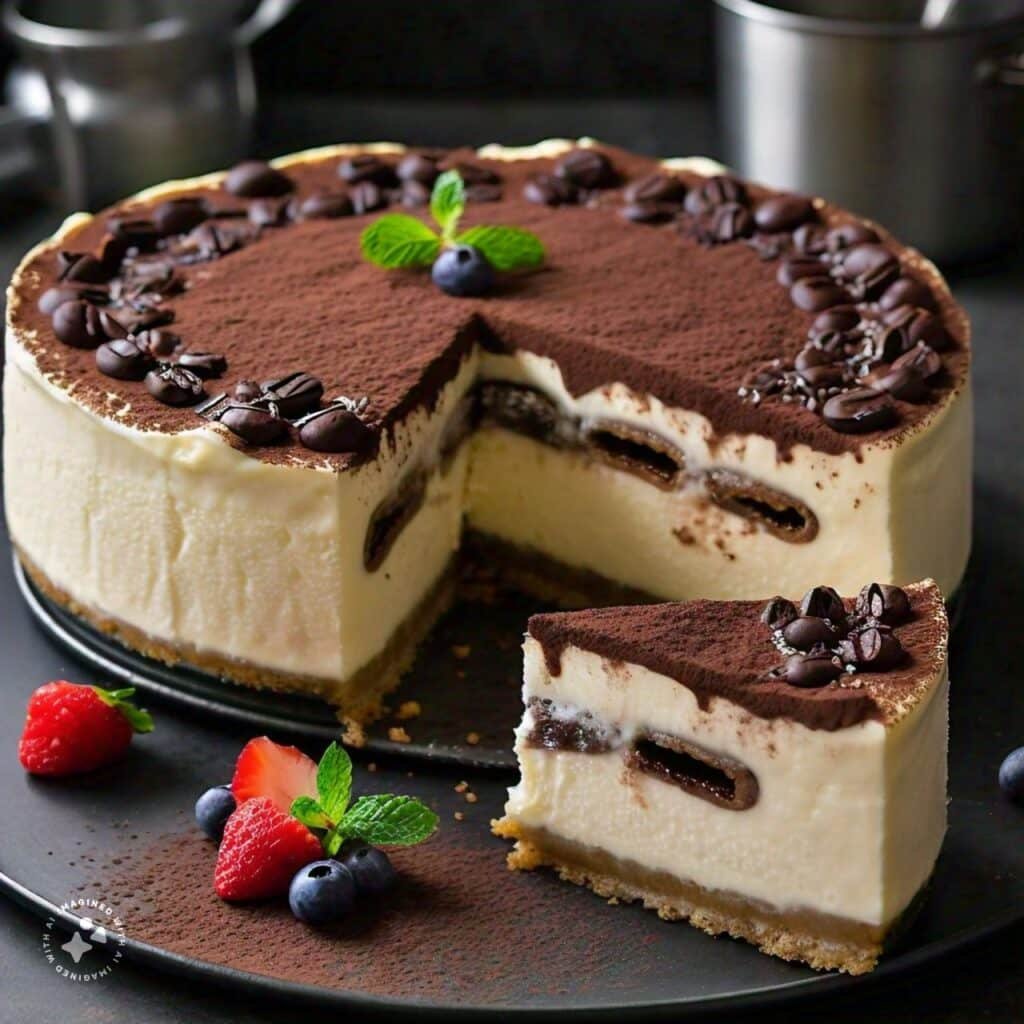
Turn the oven off and leave the cheesecake inside with the door cracked for 1 hour - this gradual cool-down is your best defence against cracks. Then lift it out of the water bath, cool to room temperature, and refrigerate at least 4 hours, preferably overnight, so it sets firm and the flavours deepen.
-
7
Top and finish
Whip the cream, powdered sugar and vanilla to stiff peaks and spread over the chilled cheesecake. Dust generously with unsweetened cocoa just before serving so it stays dry and powdery rather than damp.
Pro tips
- Bring the cream cheese, mascarpone and eggs fully to room temperature - it is the single biggest factor in a smooth, lump-free batter.
- Pull it at a soft wobble, not firm; the centre keeps cooking as it cools, and a fully set centre out of the oven means it will be dry. About 150F in the middle is the sweet spot.
- Dip the ladyfingers for only about a second per side in cooled (never hot) coffee - they absorb fast, and an over-soak turns the middle layer to paste.
- Cool it gradually in the turned-off oven and avoid opening the door while baking; sudden temperature changes are what crack the top.
Variations
- Boozy: add the optional coffee liqueur such as Kahlua to the ladyfinger soak, or a splash of dark rum or Marsala, for a more grown-up tiramisu flavour.
- Alcohol-free: skip the liqueur entirely and use extra strong espresso in the soak - the coffee is doing the heavy lifting anyway.
- Chocolate-coffee: shave dark chocolate or scatter chocolate curls over the cocoa-dusted top for an even richer finish.
Storage & freezing
Keep covered in the fridge for up to 5 days (the flavour improves overnight); to freeze, chill it first, wrap the un-topped cheesecake tightly in plastic and foil, freeze up to 1 month, then thaw overnight in the fridge and add the cream and cocoa before serving.
More recipes to try
Cheesecake season never really ends in my kitchen. If the coffee-and-mascarpone layers here felt fussy, the easy vanilla cheesecake is the stripped-back version I teach friends first. The no-bake chocolate cheesecake skips the oven entirely on hot days, and the classic vanilla bundt cake is what I bring when a whole cheesecake feels like too much.
Recipe
Baked Tiramisu Cheesecake Recipe
This Baked Tiramisu Cheesecake blends the creamy richness of classic cheesecake with the beloved flavors of tiramisu. Featuring layers of mascarpone cheese and espresso-soaked ladyfingers, this dessert is finished with a light dusting of cocoa powder. Perfect for special occasions, it offers a deliciously indulgent treat that's sure to impress.
Ingredients
- For the Crust:
- 1 ½ cups graham cracker crumbs
- ¼ cup granulated sugar
- ½ cup unsalted butter, melted
- For the Cheesecake Filling:
- 24 oz (3 packages) cream cheese, softened
- 1 cup granulated sugar
- 1 cup mascarpone cheese, room temperature
- 4 large eggs, room temperature
- 2 tsp vanilla extract
- 1 cup brewed espresso, cooled
- 1 tbsp instant coffee granules
- For the Tiramisu Layer:
- 12 ladyfingers
- 1 cup brewed espresso, cooled
- 2 tbsp coffee liqueur (optional)
- For the Topping:
- 1 cup heavy whipping cream
- ¼ cup powdered sugar
- 1 tsp vanilla extract
- Unsweetened cocoa powder, for dusting
Instructions
- Prepare the Crust:
- Preheat your oven to 325°F (163°C).
- Mix the graham cracker crumbs and granulated sugar in a medium bowl.
- Add the melted butter and stir until combined.
- Press the mixture firmly into the bottom of a 9-inch springform pan.
- Bake for 10 minutes, then set aside to cool.
- Prepare the Cheesecake Filling:
- In a large mixing bowl, beat the softened cream cheese and granulated sugar until smooth and creamy.
- Add the mascarpone cheese and mix until fully combined.
- Add the eggs one at a time, mixing well after each addition.
- Mix in the vanilla extract, brewed espresso, and instant coffee granules until smooth.
- Assemble the Cheesecake:
- Pour half of the cheesecake filling over the cooled crust.
- Dip the ladyfingers quickly into the brewed espresso mixed with coffee liqueur (if using) and layer them over the filling.
- Pour the remaining cheesecake filling over the ladyfingers.
- Bake the Cheesecake:
- Place the springform pan in a large roasting pan and fill the roasting pan with hot water halfway up the sides of the springform pan.
- Bake in the preheated oven for 60-70 minutes, or until the center is set and the top is lightly browned.
- Turn off the oven and let the cheesecake cool in the oven with the door slightly open for 1 hour.
- Chill the Cheesecake:
- Remove the cheesecake from the oven and water bath, and let it cool to room temperature.
- Refrigerate for at least 4 hours, preferably overnight.
- Prepare the Topping:
- In a medium bowl, whip the heavy cream, powdered sugar, and vanilla extract until stiff peaks form.
- Spread the whipped cream over the chilled cheesecake.
- Serve:
- Dust the top with unsweetened cocoa powder before serving.
- Slice and enjoy!
Tips & notes
- Overmixing the Batter: Overmixing can incorporate too much air, leading to cracks in the cheesecake.
Skipping the Water Bath: The water bath helps the cheesecake bake evenly and prevents cracking.
Using Cold Ingredients: Make sure all the dairy ingredients are at room temperature for a smoother batter.
Overbaking: The center should still jiggle slightly when you turn off the oven. The cheesecake will continue to set as it cools.
Watch how to make it
Nutrition · per serving (estimate)
Made this recipe?
Tap the stars to leave your rating — it helps other home cooks.
Frequently asked questions
Can I use only mascarpone instead of cream cheese?
It is not recommended for a baked cheesecake. Mascarpone is a soft, high-fat thickened cream that does not set firmly enough on its own, so the cream cheese gives the cake the structure it needs to slice. Using both gives you the rich mascarpone flavour with a sliceable texture.
Why did my cheesecake crack on top?
Cracks come from too much air beaten into the batter, overbaking, or cooling too fast. Mix the eggs on low just until combined, pull the cake while the centre still wobbles, and let it cool gradually in the turned-off oven with the door cracked.
Do I really need a water bath?
Yes, for the smoothest result. The water bath keeps the oven humid and the heat gentle so the cake bakes evenly and the surface does not dry out and split. Wrap the springform base in foil so no water seeps in.
How do I keep the ladyfingers from turning soggy?
Use fully cooled espresso and dip each ladyfinger for only about a second per side. They soak up liquid almost instantly, so a quick dunk flavours them while keeping the middle layer intact rather than mushy.
Is the cheesecake done if the middle still jiggles?
Yes. A slight wobble in the very centre with set edges is exactly what you want; it reads around 150F there. The residual heat finishes the set as it cools, so a firm centre straight from the oven means it is overbaked.
How far ahead can I make it?
It is an ideal make-ahead. Bake and chill it a day or two before serving, and it actually improves overnight. Add the whipped cream a few hours ahead and dust the cocoa on at the last minute so it stays dry.
What can I use instead of coffee liqueur?
The liqueur is optional. Leave it out and use extra strong brewed espresso in the soak, or swap in a splash of dark rum or Marsala if you want a little alcohol without the specific Kahlua flavour.
Leave a review