
Gulab Jamun Recipe Easy Khoya
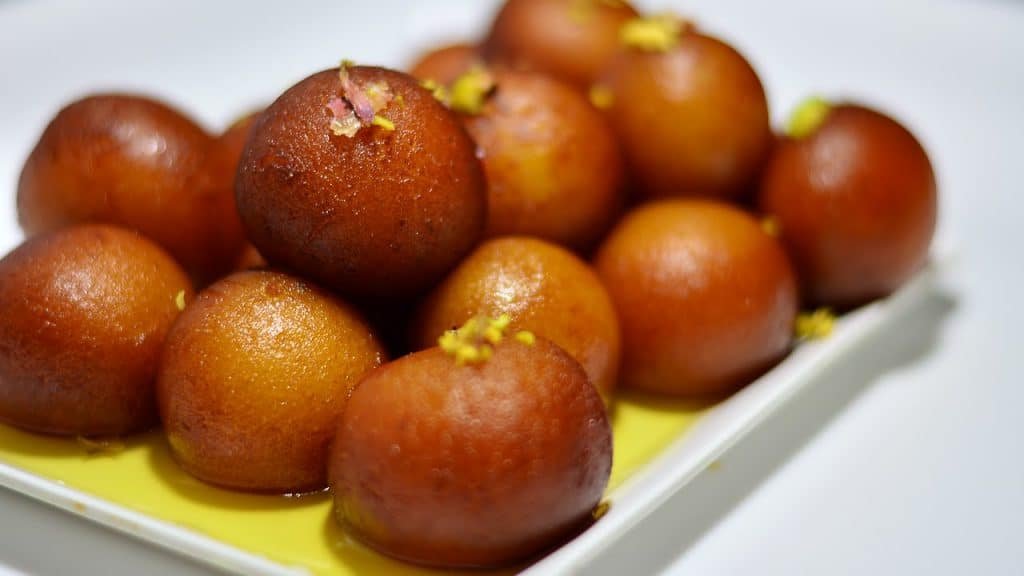
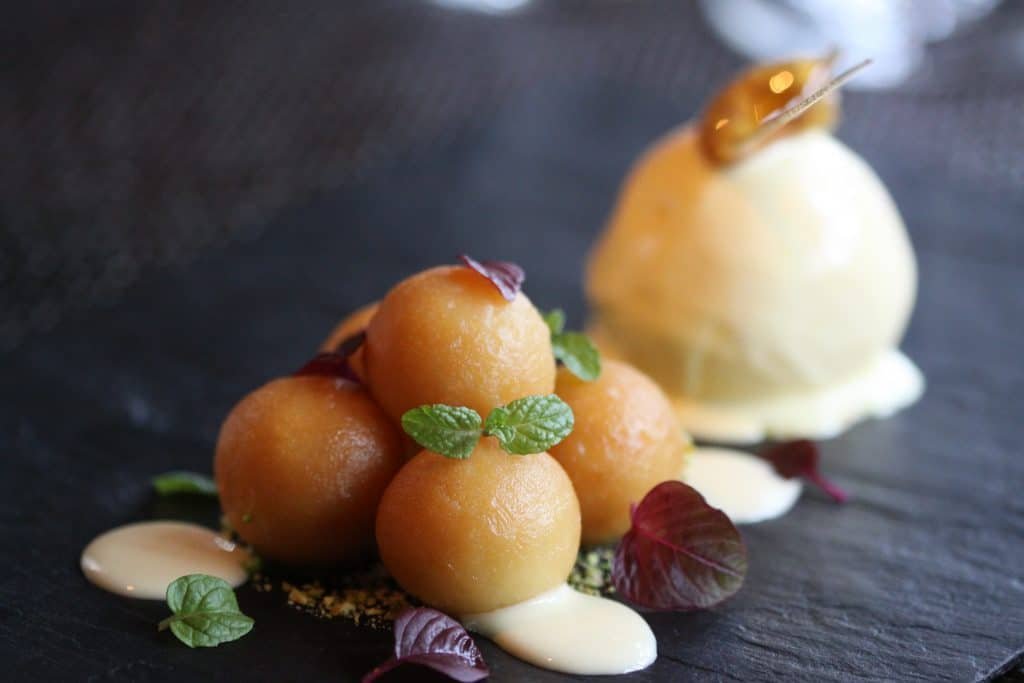
Gulab jamun is the dessert that ends every Indian celebration on a high note: golden, milk-rich dumplings that drink up a fragrant rose-and-cardamom syrup until they are impossibly soft and juicy. The name marries gulab, the Persian word for rose, with jamun, the small berry it resembles. Bite into one warm and the syrup floods out, perfumed with saffron and rose; it is pure, melt-in-the-mouth indulgence.
Why you'll love this
- Soft, syrup-soaked, melt-in-the-mouth centers from milk-solid dough
- A rose, cardamom, and saffron syrup that perfumes every bite
- Forgiving with khoya or milk powder, so you can make them anywhere
- Makes a generous batch, perfect for a crowd or a festival table
Key ingredients & swaps
- Khoya (mawa) or milk powder — the milky heart that gives gulab jamun their tender, melting crumb; if khoya is hard to find, milk powder works beautifully, just bring the dough together gently so it stays soft
- All-purpose flour — a small amount binds the dough and gives the balls just enough structure to hold their shape; too much makes them dense and hard, so keep it to the called-for spoonfuls
- Baking powder — the gentle lift that keeps the centers light; use baking powder, not soda, because soda is far stronger and can make the jamuns crack and dissolve in the oil
- Ghee — rubbed into the dough for richness and a tender texture, and used for frying to give that authentic flavor; a little extra ghee in the dough helps if your milk powder is low-fat
- Cardamom, rose water, and saffron — the perfume of the syrup; add the rose water at the end off the heat so its delicate aroma is not boiled away
- Sugar syrup — the soak that sweetens and softens; keep it just sticky rather than thick, since a thinner syrup soaks in far more easily than a heavy one-thread syrup
How to make it (step by step)
-
 1
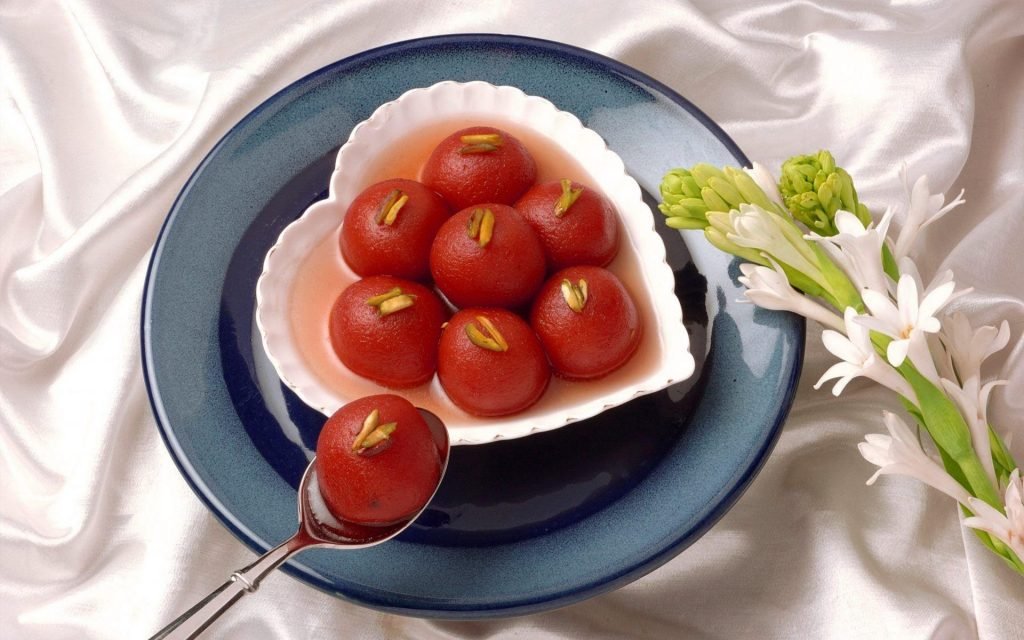
1Make a smooth, crack-free dough
Rub the ghee into the milk powder or khoya, flour, and baking powder, then add just enough milk to bring it together into a soft, smooth dough. Handle it gently and do not knead hard, as overworking develops gluten and gives you tough, hard jamuns.
-
 2
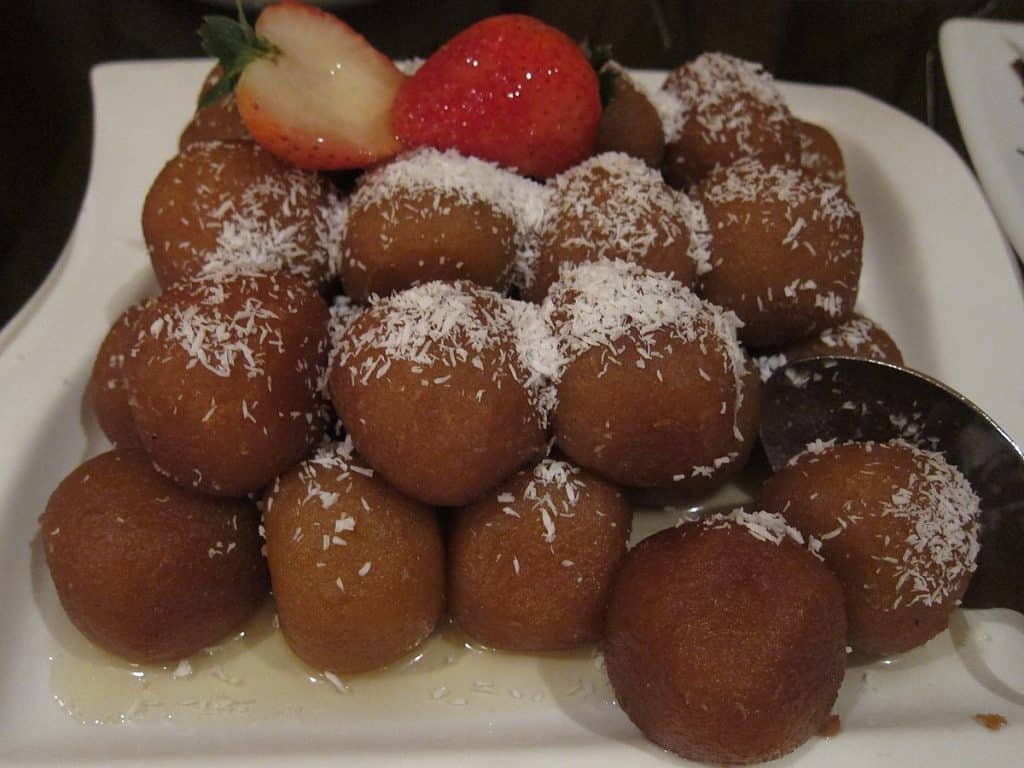
2Rest, then roll smooth balls
Cover the dough and let it rest 15 to 20 minutes so it hydrates and relaxes, then roll into small, smooth balls with lightly greased palms. Make sure there are no cracks or seams; cracks are what cause jamuns to split open and break apart while frying.
-
 3
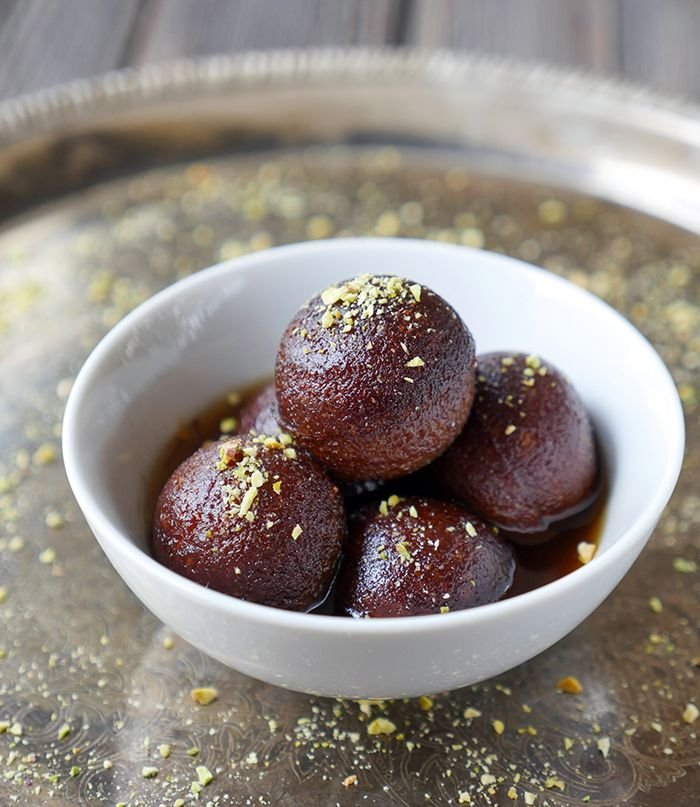
3Make the syrup
Simmer the sugar and water with cardamom and saffron until the sugar dissolves and it turns just sticky, about 5 to 7 minutes; stir in the rose water off the heat. Aim for a sticky, light syrup rather than a thick thread, so the jamuns can drink it up. Keep it warm, not boiling, for soaking.
-
 4
4Heat the ghee correctly
Heat the ghee or oil over low to medium-low, around 325 to 350F. Test it with one ball: it should sink, then slowly float back up with gentle bubbles, without browning instantly. Oil that is too hot browns the outside while the inside stays raw.
-
 5
5Fry low and slow to deep gold
Slide in the balls a few at a time and fry gently, swirling the pan and nudging them so they color evenly all over, until deep golden brown, around 3 to 4 minutes. Do not rush with high heat; steady low heat cooks them through to a soft center. Drain briefly on paper towel.
-
6
Soak until doubled
Drop the warm fried jamuns straight into the warm syrup and let them soak at least 1 to 2 hours. They will swell and roughly double in size as they absorb the syrup; soaking them while both jamuns and syrup are warm, not hot, keeps them from shrinking or breaking.
-
7
Garnish and serve
Serve warm or at room temperature, scattered with chopped pistachios or almonds. They are lovely on their own or alongside a scoop of vanilla ice cream.
Pro tips
- Keep the dough soft, smooth, and crack-free and do not over-knead; cracks make jamuns break in the oil and overworking makes them hard.
- Fry on low to medium-low heat, around 325 to 350F; they should take a few minutes to reach deep gold, and browning too fast means the oil is too hot and the centers will stay raw.
- Soak warm jamuns in warm, sticky syrup rather than thick or boiling syrup, so they absorb deeply and double in size instead of shrinking.
Variations
- Roll a few chopped nuts or a saffron strand into the center of each ball for a stuffed gulab jamun surprise.
- Fry a shade darker for kala jamun, which have a deeper color and a slightly denser, caramelized bite.
- Brush leftover jamuns into a quick gulab jamun cheesecake or trifle, or serve them warm over vanilla ice cream.
Storage & freezing
Store gulab jamun in their syrup in an airtight container in the fridge for up to a week, and gently warm before serving; they also freeze well in syrup for up to a month, thawed in the fridge before reheating.
More recipes to try
Frying and soaking these takes a bit of standing at the stove, so on lazier evenings I reach for a 3-ingredient protein powder mug cake to settle the sweet tooth. If shaping dough by hand is the part you enjoyed most, the Korean cream cheese garlic buns scratch that itch on the savory side. Same goes for cheesy bread rolls when a crowd's coming over. No khoya? The viral bread gulab jamun makes soft jamuns from white bread and milk.
Recipe
Gulab Jamun Recipe Easy Khoya
Gulab Jamun is traditionally made from khoya (reduced milk solids) combined with flour and deep-fried till golden brown, then steeped in a sugar syrup flavored with rosewater, cardamom, and saffron, imparting a subtle floral perfume and seductive sweetness.
Ingredients
- Khoya (Mawa): 1 cup + You can substitute khoya with milk powder, but adjust the quantity of milk or water accordingly to achieve the right consistency.
- All-purpose flour: 3 tablespoons
- Baking powder: 1/4 teaspoon
- Cardamom powder: 1/2 teaspoon
- Rose water: 1 tablespoon
- Sugar: 1.5 cups
- Water: 2 cups
- Ghee or oil for frying: Quantity as needed
Instructions
- Prepare the Dough:
- In a large mixing bowl, combine 1 cup of milk powder, 1/4 cup of all-purpose flour, and 1/4 teaspoon of baking soda.
- Gradually add 2-3 tablespoons of ghee or clarified butter and mix until the mixture resembles breadcrumbs.
- Slowly pour in 2-3 tablespoons of milk, kneading the mixture into a smooth, soft dough. Add more milk if needed.
- Cover the dough and let it rest for 15-20 minutes.
- Shape the Jamuns:
- After resting, knead the dough again for a few minutes.
- Divide the dough into small equal-sized portions and roll them into smooth balls, ensuring there are no cracks.
- Fry the Jamuns:
- Heat ghee or oil in a deep pan over medium-low heat.
- Gently slide the dough balls into the hot ghee and fry them on low heat until they turn golden brown, stirring occasionally for even cooking.
- Remove the fried jamuns from the ghee and place them on a paper towel to drain excess oil.
- Prepare the Sugar Syrup:
- In a separate saucepan, combine 2 cups of sugar and 2 cups of water.
- Add a few saffron strands and 4-5 crushed cardamom pods for flavor.
- Bring the mixture to a boil, stirring until the sugar dissolves completely. Then, simmer for 5-7 minutes until the syrup thickens slightly.
- Soak the Jamuns:
- Once the sugar syrup is ready, gently drop the fried jamuns into the hot syrup.
- Allow the jamuns to soak in the syrup for at least 1-2 hours, ensuring they absorb the sweetness and flavors.
- Serve:
- Garnish the gulab jamuns with chopped pistachios or almonds for added crunch and visual appeal.
- Serve warm or at room temperature, either as a standalone dessert or paired with a scoop of vanilla ice cream for a delightful indulgence.
Tips & notes
- Gulab jamun is deep-fried and soaked in sugar syrup, making it high in calories, sugar, and unhealthy fats. Consuming it frequently can contribute to weight gain and other health issues like diabetes and heart disease.
Watch how to make it
Nutrition · per serving (estimate)
Made this recipe?
Tap the stars to leave your rating — it helps other home cooks.
Frequently asked questions
Why are my gulab jamun hard instead of soft?
Hard jamuns usually come from too much flour, over-kneading the dough, or frying on heat that is too high. Use the called-for flour, handle the dough gently, and fry low and slow so the centers cook through and stay tender.
Why do my gulab jamun break or dissolve in the oil?
This is almost always cracks in the dough balls or too much leavening. Roll the balls completely smooth with no seams, and use baking powder rather than the much stronger baking soda, which can make them expand and fall apart.
What consistency should the sugar syrup be?
Just sticky, not a thick one-thread syrup. A lighter, sticky syrup soaks into the jamuns far more easily; the syrup naturally thickens as the jamuns sit in it, so over-reducing it keeps them dry inside.
Why are my gulab jamun raw or doughy in the middle?
The oil was too hot, so the outside browned before the inside cooked. Keep the temperature around 325 to 350F and fry slowly for a few minutes until evenly deep golden, which gives the heat time to reach the center.
Can I make gulab jamun without khoya?
Yes. Milk powder is a popular and reliable substitute that gives a very similar soft texture. Just bring the dough together gently with a little milk and ghee, and avoid kneading it hard.
Should the syrup be hot or cold when I add the jamuns?
Warm, not boiling. Add the warm fried jamuns to warm syrup; if the syrup is piping hot the jamuns can swell too fast and break, and if everything is cold they will not absorb well.
How long should gulab jamun soak in the syrup?
At least 1 to 2 hours, and longer is fine. They need time to drink up the syrup and roughly double in size, which is what gives that signature juicy, melting center.


Leave a review