
Lemon Pound Cake with Zesty Flavor
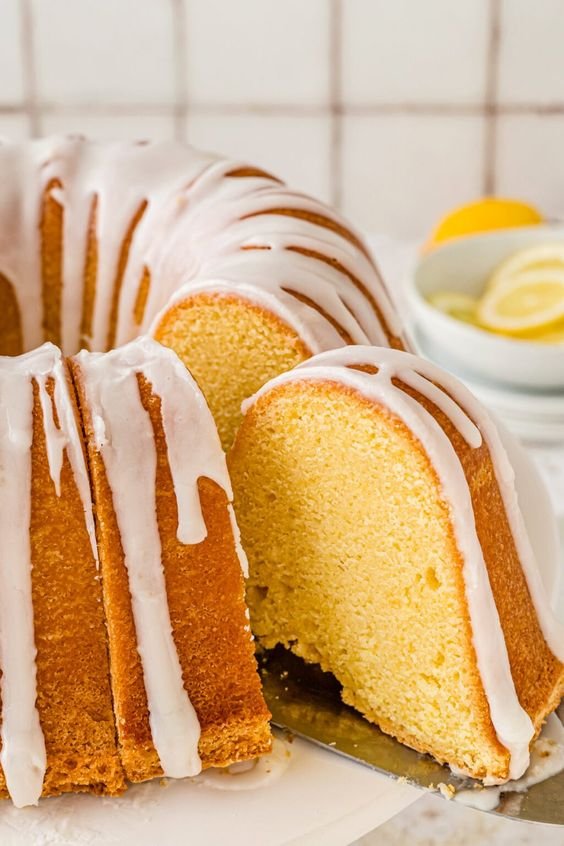
This lemon pound cake is everything the classic should be: buttery, close-crumbed and dense in the best way, with a double hit of lemon from both the zest and the juice. A simple two-ingredient lemon glaze poured over the cooled loaf sets into a sweet-tart finish that makes every slice taste bright.
Why you'll love this
- A proper creamed butter-and-sugar base gives that fine, tender, rich pound-cake crumb
- Lemon zest and fresh juice deliver a natural double-lemon flavor rather than a flat, sugary sweetness
- A whisk-together powdered-sugar-and-lemon glaze adds a zingy, sweet-tart top with no cooking
- It's all made in one loaf pan and keeps beautifully for days
Key ingredients & swaps
- Unsalted butter — the flavor and the classic dense-but-tender texture; it must be softened to room temperature (it dents when pressed) so it whips up light with the sugar.
- Granulated sugar — sweetens and, just as importantly, cuts air into the butter during creaming for lift and a fine crumb; rubbing the zest into it releases more lemon oil.
- Eggs — richness, moisture and structure; add them one at a time and beat after each so the batter emulsifies smoothly instead of curdling and splitting.
- All-purpose flour — the backbone of the crumb; spoon it into the cup and level it off, because packed, over-measured flour is the main reason a pound cake turns out dry and heavy.
- Lemon zest and juice — the zest carries the fragrant oils that give real lemon perfume, while the juice adds tang; always zest before you juice, and use fresh lemons rather than bottled juice for brightness.
- Whole milk — loosens the batter for moisture and a tender crumb; alternating it with the flour keeps you from overmixing and toughening the cake.
How to make it (step by step)
-
 1
1Prep pan and oven
Heat the oven to 350F (175C) and grease and flour a 9x5-inch loaf pan, or line it with a parchment sling for easy lifting. A middle rack gives the most even bake.
-
2
Cream butter and sugar
Beat the softened butter and sugar on medium for 3-4 minutes until visibly pale, light and fluffy. This is where the cake gets its lift, so don't rush it - rub the lemon zest into the sugar first to draw out the oils.
-
 3
3Add eggs one at a time
Beat in the eggs one at a time, fully incorporating each before the next, scraping the bowl as you go. Adding them gradually keeps the batter smooth and emulsified so it won't split.
-
4
Combine dry and wet separately
Whisk the flour, baking powder and salt in one bowl, and stir the milk, vanilla, lemon zest and juice in another. Having both ready makes the next step quick and gentle.
-
 5
5Alternate and fold just to combined
Add the dry mix to the butter in three additions, alternating with the milk mixture, beginning and ending with the flour, and mix only until just combined. Overmixing now builds gluten and gives a dense, tough loaf.
-
6
Bake, cool, then glaze
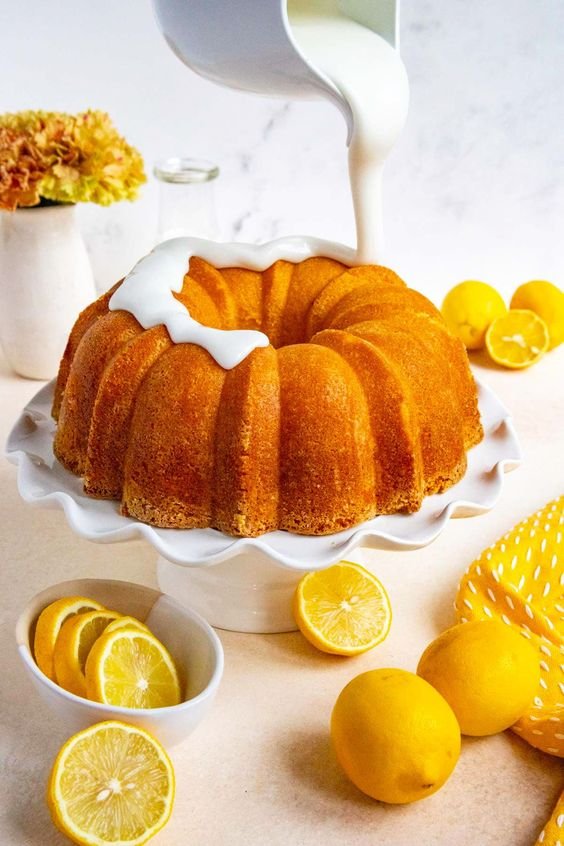
Bake 55-65 minutes, until a toothpick in the center comes out clean and the top is golden; tent with foil if it browns too fast. Cool 10 minutes in the pan, turn out onto a rack to cool completely, then whisk the powdered sugar with lemon juice and drizzle it over - glaze only when fully cool so it sets instead of soaking in.
Pro tips
- Have the butter, eggs and milk at room temperature so the batter emulsifies evenly and bakes with a uniform crumb.
- Spoon and level the flour rather than scooping; too much flour is the top cause of a dry, dense pound cake.
- Don't skip the zest - the lemon oils in the zest are where most of the real lemon flavor lives, far more than the juice alone.
- Glaze the cake only once it's completely cool, so the glaze stays on top and sets rather than melting into the crumb.
Variations
- Lemon-blueberry: toss a cup of blueberries in a little flour and fold them in at the end.
- Lemon-poppy seed: stir a tablespoon of poppy seeds into the batter for gentle crunch.
- Lemon syrup soak: brush a warm lemon-sugar syrup over the cake before glazing for an extra-moist, extra-tart loaf.
Storage & freezing
Store covered at room temperature for 3-4 days, or freeze the unglazed cake well-wrapped for up to 3 months, then thaw and add the glaze before serving.
More recipes to try
Pound cake practically begs for a drizzle, so the pound cake glaze is the first thing I'd pair with this loaf. Still chasing lemon? The layered lemon cake cream with cheese frosting takes the same citrus somewhere far fancier. And in strawberry season, the easy strawberry shortcake cake is what lands on my table.
Recipe
Lemon Pound Cake with Zesty Flavor
This Lemon Pound Cake is a deliciously moist and buttery cake with a bright lemon flavor that’s perfect for any occasion. The tangy lemon glaze adds a zesty finish, making each bite refreshingly sweet. Whether for dessert or a sweet snack, this cake will delight lemon lovers everywhere.
Ingredients
- 1 cup unsalted butter, softened
- 1 ½ cups granulated sugar
- 4 large eggs
- 2 ½ cups all-purpose flour
- 1 tsp baking powder
- ½ tsp salt
- 1 cup whole milk
- 1 tsp vanilla extract
- Zest of 2 lemons
- ¼ cup fresh lemon juice
- For the Glaze:
- 1 cup powdered sugar
- 2-3 tbsp fresh lemon juice
Instructions
- Preheat the Oven: Preheat your oven to 350°F (175°C). Grease and flour a 9x5-inch loaf pan or line it with parchment paper.
- Cream the Butter and Sugar: In a large mixing bowl, cream the softened butter and sugar together until light and fluffy.
- Add Eggs: Add the eggs one at a time, beating well after each addition.
- Combine Dry Ingredients: In a separate bowl, whisk together the flour, baking powder, and salt.
- Mix Wet Ingredients: In another bowl, combine the milk, vanilla extract, lemon zest, and lemon juice.
- Combine Wet and Dry Ingredients: Add the dry ingredients to the butter mixture in three parts, alternating with the milk mixture, beginning and ending with the dry ingredients. Mix until just combined.
- Bake: Pour the batter into the prepared loaf pan and smooth the top. Bake for 60 minutes, or until a toothpick inserted into the center comes out clean.
- Cool the Cake: Allow the cake to cool in the pan for 10 minutes, then transfer it to a wire rack to cool completely.
- Prepare the Glaze: In a small bowl, whisk together the powdered sugar and lemon juice until smooth.
- Glaze the Cake: Once the cake is completely cooled, drizzle the lemon glaze over the top.
Tips & notes
- Overmixing the Batter: Overmixing can cause the cake to become dense. Mix just until the ingredients are combined.
Using Cold Ingredients: Make sure your butter, eggs, and milk are at room temperature to ensure a smooth batter and even baking.
Skipping the Lemon Zest: The zest contains essential oils that enhance the lemon flavor, so don’t skip it.
Watch how to make it
Nutrition · per serving (estimate)
Made this recipe?
Tap the stars to leave your rating — it helps other home cooks.
Frequently asked questions
Can I use bottled lemon juice instead of fresh?
Fresh is strongly preferred - it tastes brighter and cleaner, and you need the lemons for zest anyway, which carries most of the flavor. Bottled juice works in a pinch for the glaze but tends to taste flat in the cake.
Why is my pound cake dry or dense?
Usually too much flour or overmixing the batter. Spoon and level your flour instead of scooping, and mix only until the ingredients are just combined once the flour goes in, so you don't develop tough gluten.
Why does the zest matter so much?
The fragrant oils that give real lemon flavor live in the zest, not the juice. Rubbing the zest into the sugar releases those oils into the batter, giving a deeper, more natural lemon taste than juice alone can.
Should I glaze the cake warm or cool?
Cool. If you glaze a warm cake, the glaze melts and soaks in instead of forming that sweet-tart top. Let the cake cool completely on a rack first, then drizzle the glaze so it sets.
Why do my ingredients need to be at room temperature?
Room-temperature butter creams properly to trap air, and room-temperature eggs and milk blend in without seizing the batter. Cold ingredients give a lumpy, poorly aerated batter and an uneven, denser bake.
Can I bake this in a bundt or two smaller pans instead?
Yes. The batter suits a loaf, a small bundt, or two mini loaves - just adjust the time, checking smaller pans earlier and a bundt around the same range, and rely on a clean toothpick rather than the clock.
How do I keep the top from cracking or over-browning?
A little crack down the center is normal and expected for a pound cake as it rises. If the top is browning too fast, loosely tent it with foil partway through baking.


Leave a review